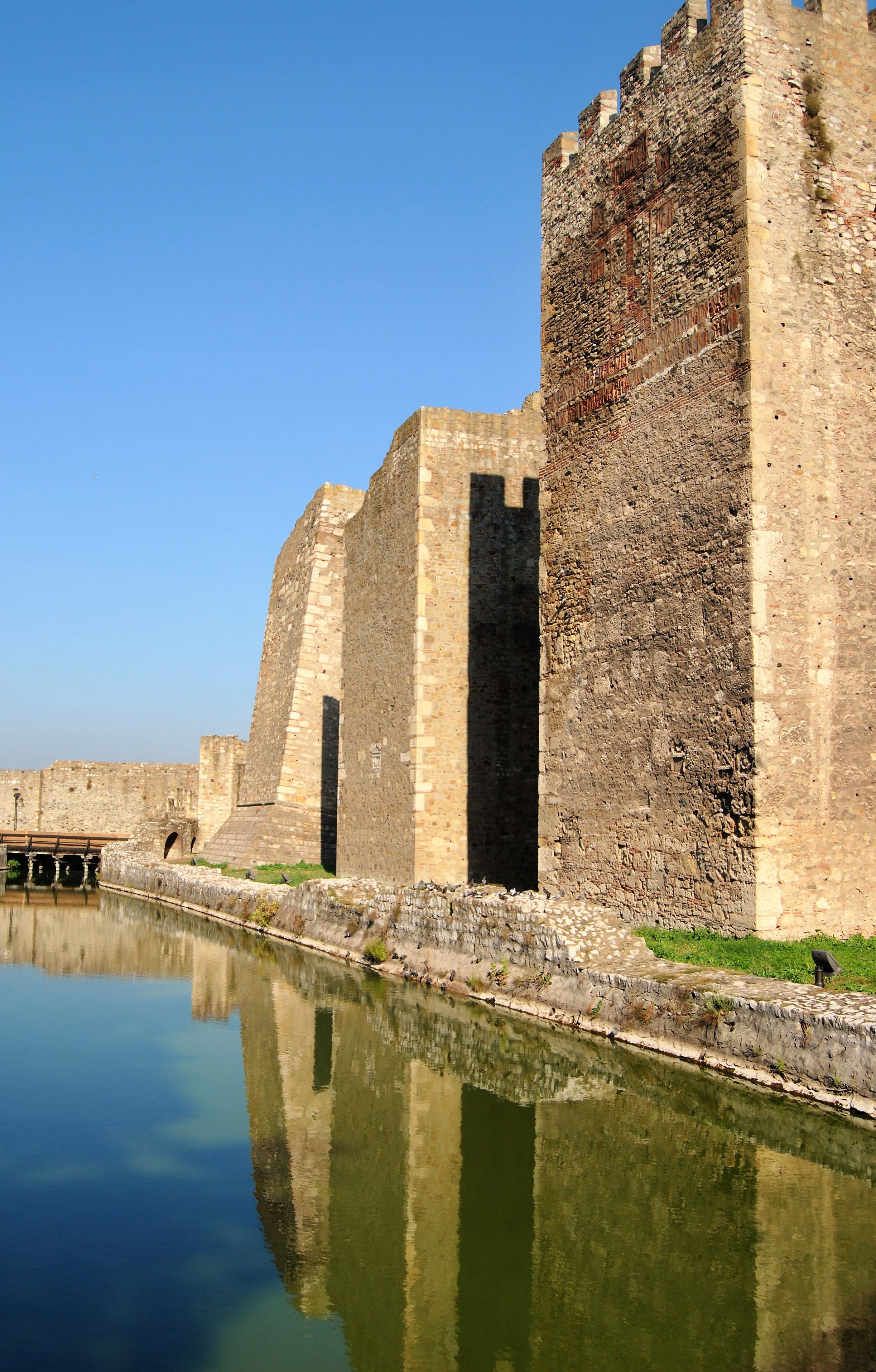
Serbia · Danube River · 44°40'N
City of Stone & Wine — Where History Flows with the Danube
"Where ancient walls remember every empire that came and went — Smederevo endures."
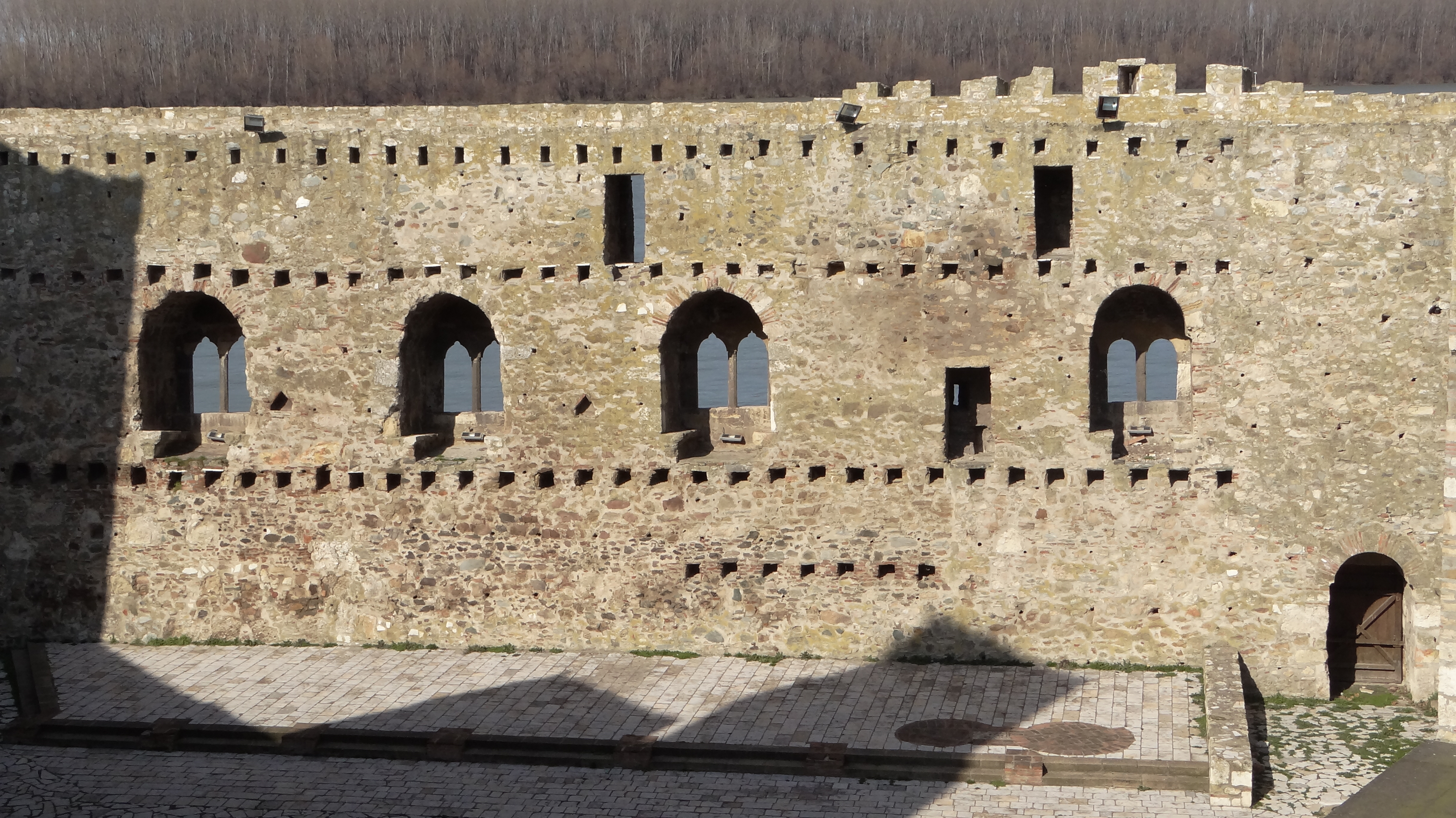
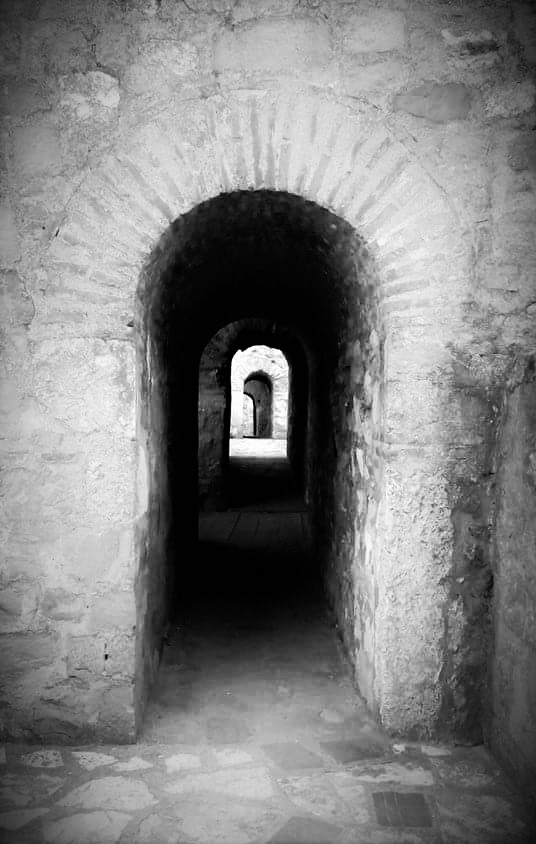
Built between 1428 and 1430 by Serbian Despot Đurađ Branković, the Smederevo Fortress is one of the largest and most remarkable medieval fortifications in Europe. Its massive triangular plan encloses more than 11 hectares, protected by walls up to 2.5 metres thick and 25 towers rising over 20 metres. Once the capital of a proud medieval state, today it hosts open-air concerts, theatrical performances, and the beloved annual wine festival.
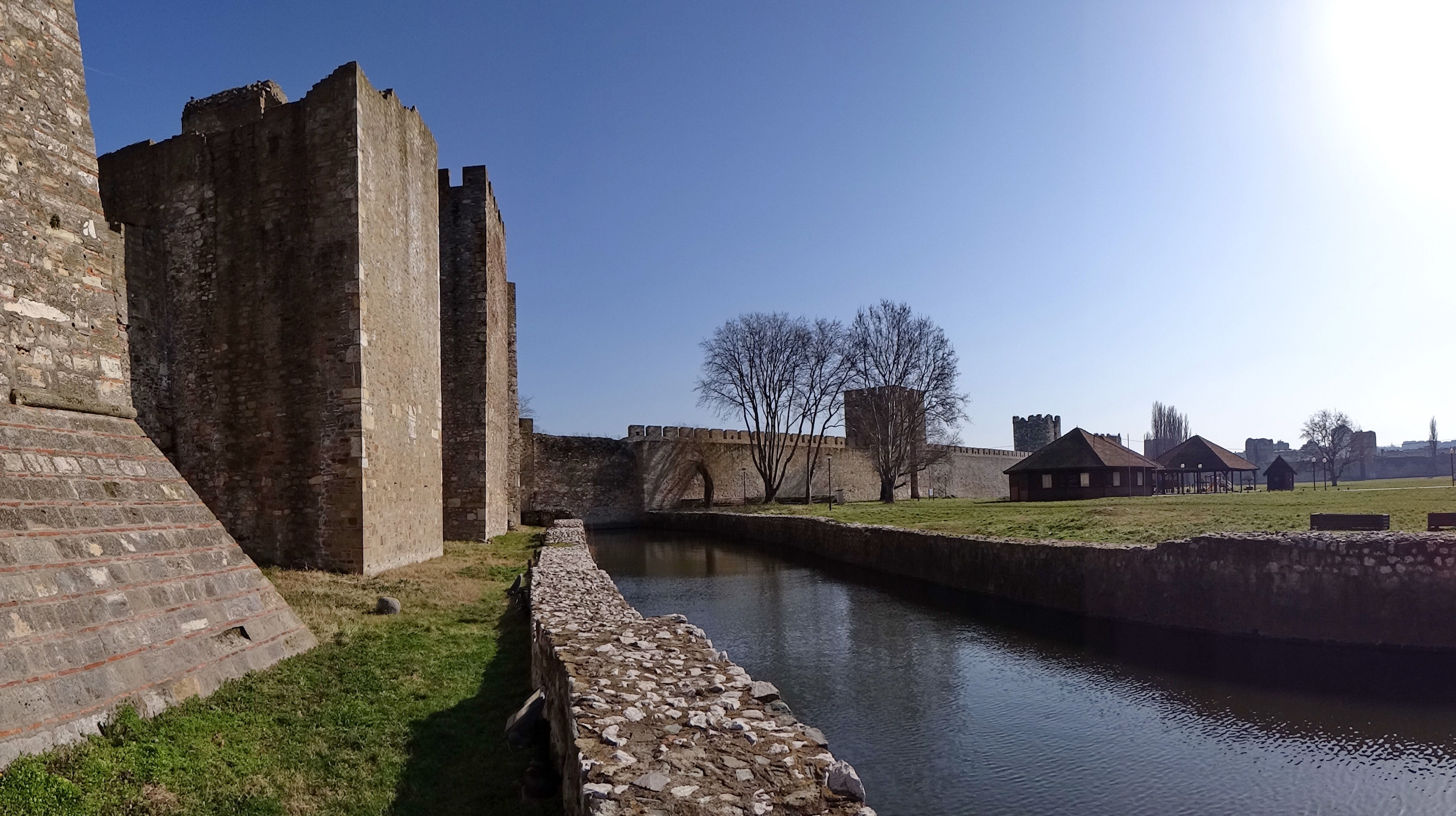
Step inside history.
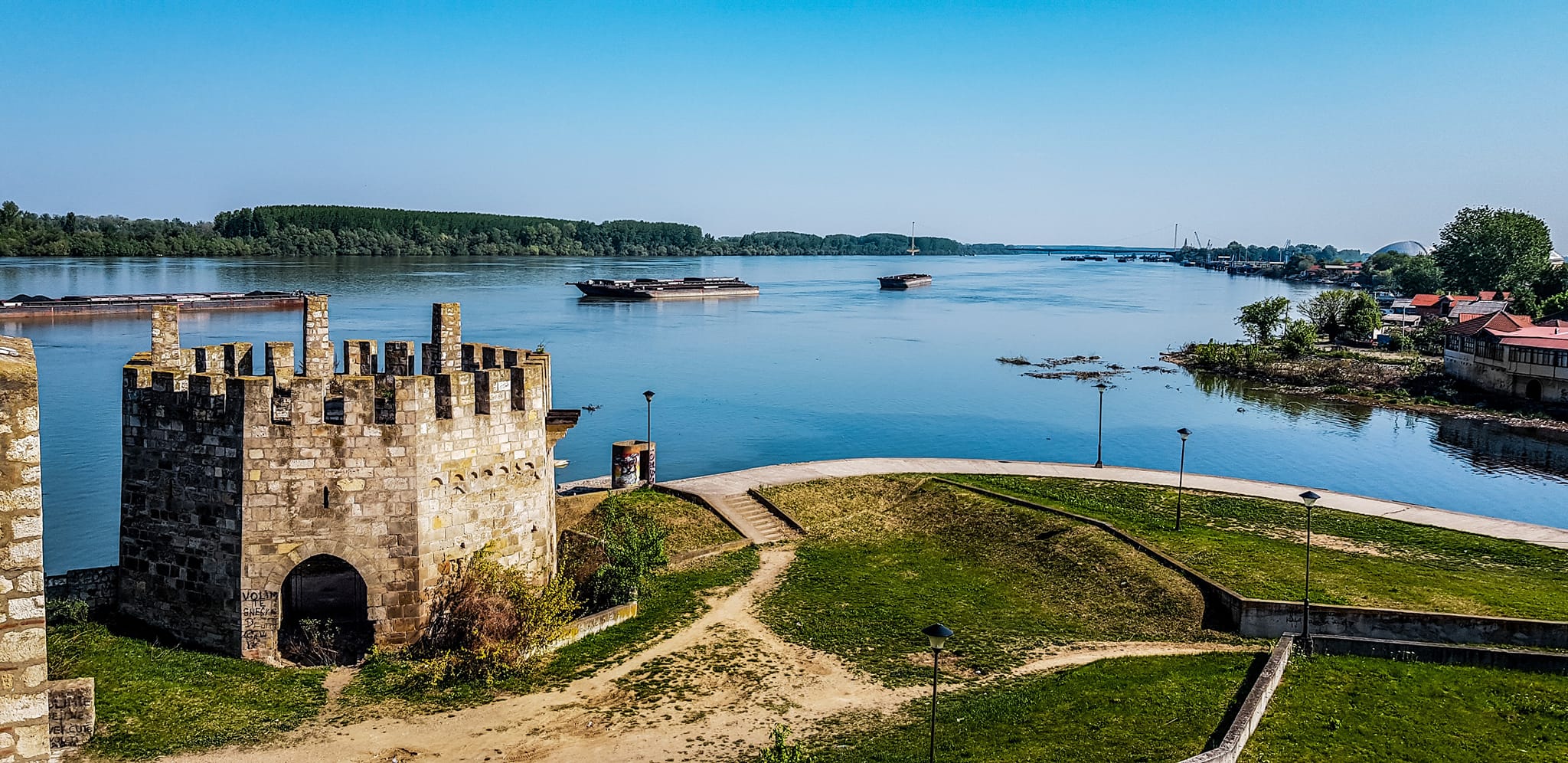
Smederevo sits on the banks of the mighty Danube — Europe's second-longest river and the lifeblood of the region. The waterfront offers scenic promenades with views of the fortress, riverside restaurants, fishing spots, and sandy beaches. Sunset over the Danube, with the fortress silhouetted against an orange sky, is an unforgettable sight.
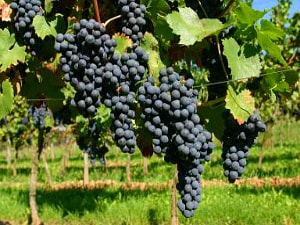
The hills surrounding Smederevo are blanketed in vineyards producing the indigenous Smederevka grape — a variety that carries the city's name across wine lists throughout the Balkans. Autumnal harvests bring the city to life with festivals and tastings. Local wineries welcome visitors for cellar tours, pairing dinners, and an intimate taste of Serbian rural culture.
Experience the places that define Smederevo's soul
Navigate the city's landmarks, history, and hidden gems
Six centuries of resilience carved in stone and memory
Roman legions establish military outposts and the town of Margum at the confluence of the Morava and Danube rivers. The region becomes part of the Roman province of Moesia Superior, a strategically vital frontier zone.
Smederevo appears in historical records as a growing settlement under Serbian medieval rulers. Its location at the bend of the Danube makes it a valued point on regional trade and military routes.
Despot Đurađ Branković begins construction of the Smederevo Fortress — a monumental achievement of medieval engineering. Thousands of workers complete the triconch-plan fortress with 25 towers in under three years. Walls reach 2.5 m thick and 20 m high.
Smederevo replaces Belgrade as the capital of medieval Serbia. The city flourishes as a center of diplomacy, commerce, and culture. Serbian rulers host ambassadors from Venice, Hungary, and the Byzantine Empire within the fortress walls.
The fortress falls to Ottoman forces in 1439, is retaken by Hungary in 1444, then falls permanently in 1459 — the last Serbian stronghold. The fall of Smederevo marks the end of the medieval Serbian state, commemorated in Serbian folk poetry to this day.
Smederevo plays a key role in both Serbian Uprisings. The city is liberated during the First Uprising under Karađorđe and again during the Second Uprising under Miloš Obrenović. The fortress briefly serves as a symbol of reclaimed sovereignty.
A catastrophic explosion at the German-occupied ammunition depot inside the fortress kills approximately 2,500 people — one of the deadliest single wartime incidents in Serbia. The city mourns but rebuilds with extraordinary determination.
Following Serbian independence and EU integration, Smederevo invests in fortress restoration, cultural programming, wine tourism, and urban renewal. The annual wine festival attracts tens of thousands. The city looks toward the future with quiet confidence.
Reach a local audience that loves Smederevo
smederevo.org is a modern digital platform dedicated to the city of Smederevo — home to 65,000 residents and a growing tourism destination on the Danube. Our visitors are locals, tourists, business travellers, and history enthusiasts actively seeking information about the city, its services, and events.
Whether you run a restaurant, winery, hotel, tour agency, or local service — smederevo.org gives you a direct channel to your future customers.
Have a question, suggestion, or partnership idea? We'd love to hear from you.
smederevo.org is a project dedicated to promoting Smederevo and everything this city has to offer. We welcome collaboration, suggestions, corrections, and partnerships.